Sudan Railways history
A railway woven into Sudan's history
Sudan's railways have shaped the country's economic and social life for more than a century. They carried crops to market, brought goods inland from the Red Sea and connected people across long distances. Around stations, workshops and railway settlements, generations of families built their working lives.
In preparation, September 2026. Sudan Rail Group has not yet assumed operating responsibility.
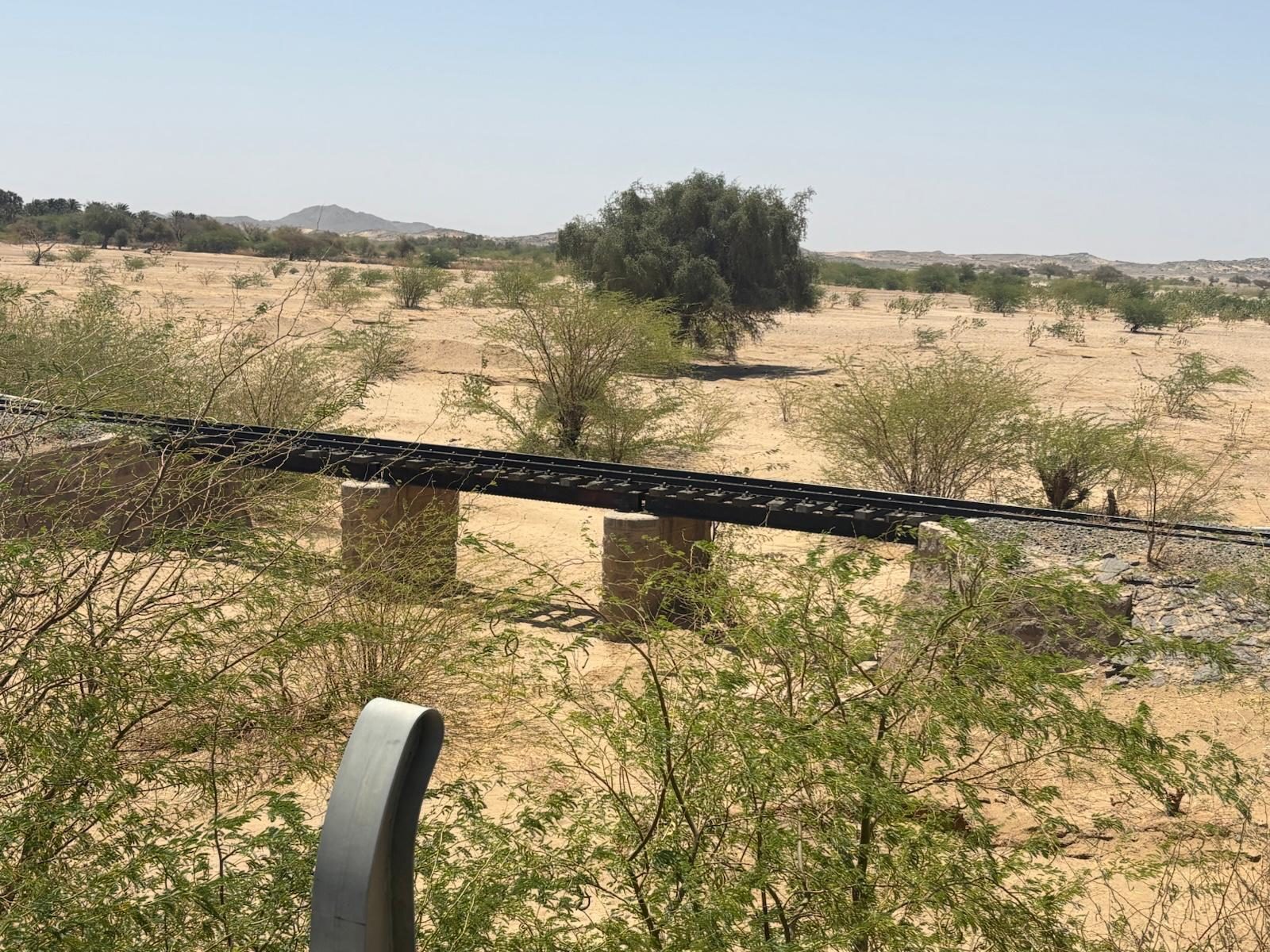
Connecting the coast and the interior
Sudan’s railway story began in the 1870s, when a short line was built south from Wadi Halfa along the Nile. Although this early railway was limited in length and eventually closed, it established the importance of rail transport in a country where long distances, desert terrain and seasonal river conditions made overland movement difficult.
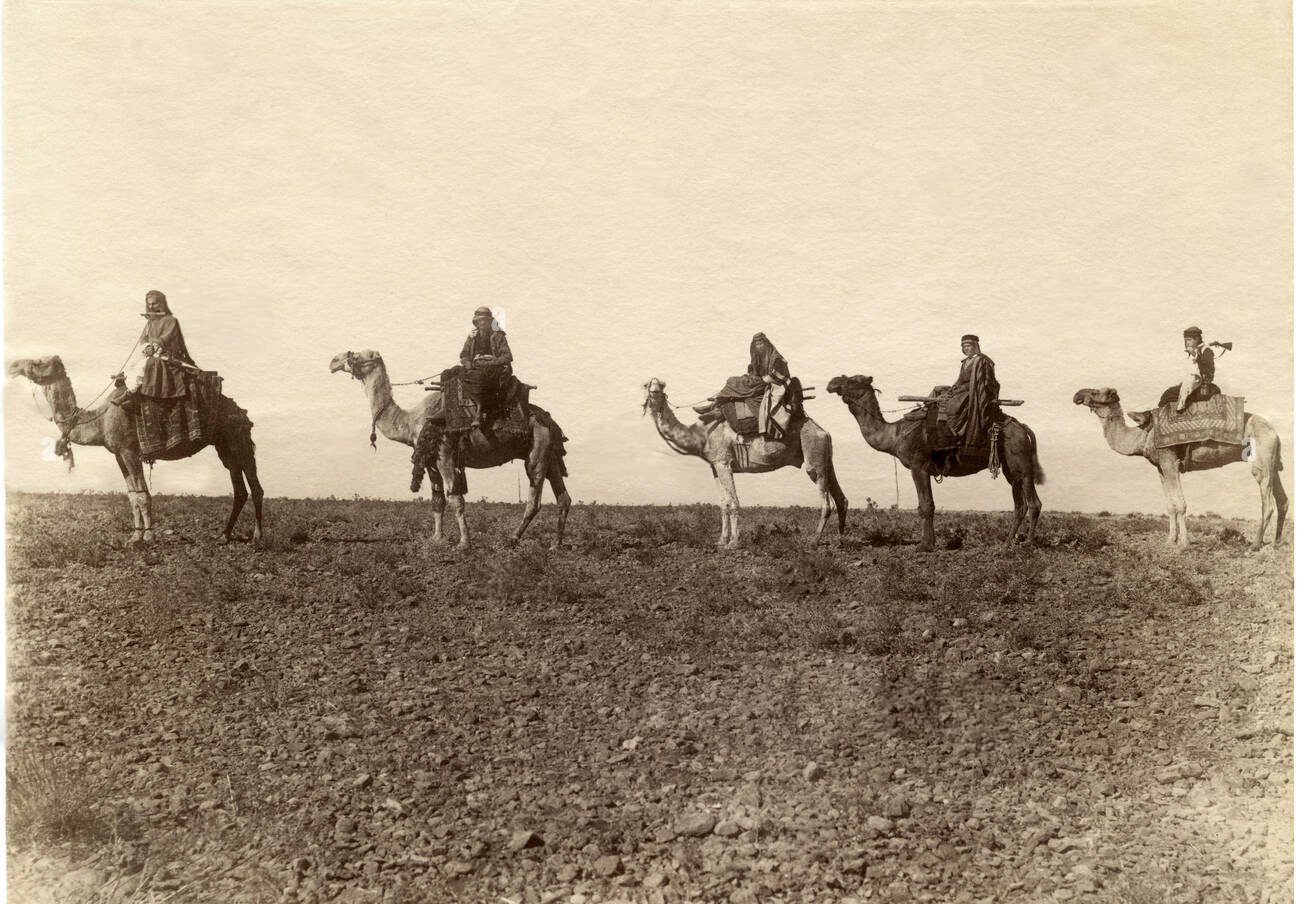
More substantial construction began in the late nineteenth century. In 1897, a military railway was built south-east from Wadi Halfa towards Abu Hamed to support the movement of British and Egyptian forces during the campaign against the Mahdist state. The railway formed part of the colonial military effort to reassert outside control over Sudan, rather than an infrastructure project initially designed around Sudanese priorities. It was then extended through Atbara towards Khartoum, reaching the capital by 1900. Despite its origins in conquest and colonial administration, the line later became an important national asset and helped establish Atbara as a major railway centre.
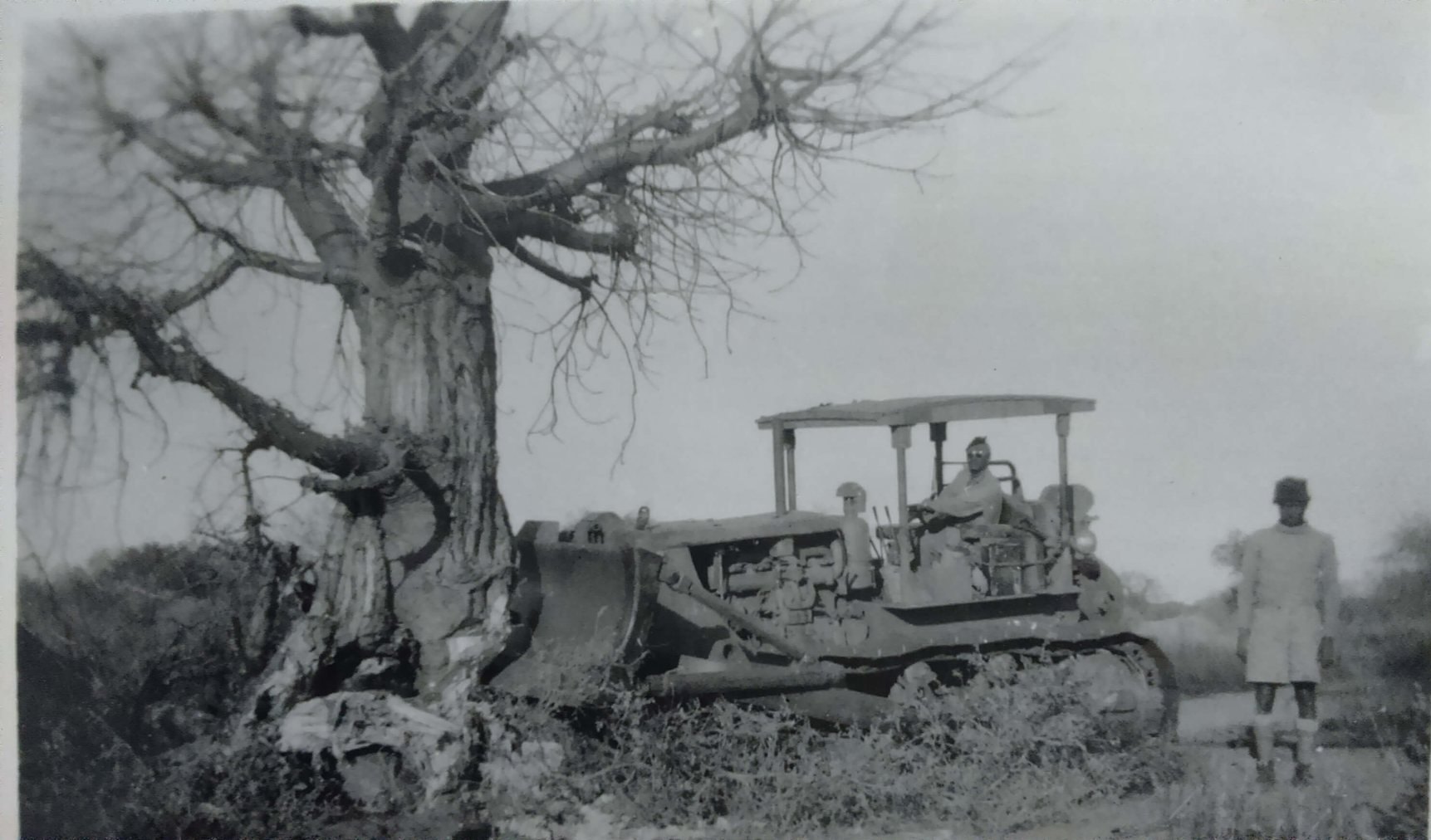
The first line to the capital
- 1897
The military railway leaves Wadi Halfa and reaches Abu Hamed.
- 1900
Extended through Atbara, it reaches Khartoum.
- 1904 to 1906
A line is built from Atbara across the desert to Port Sudan.
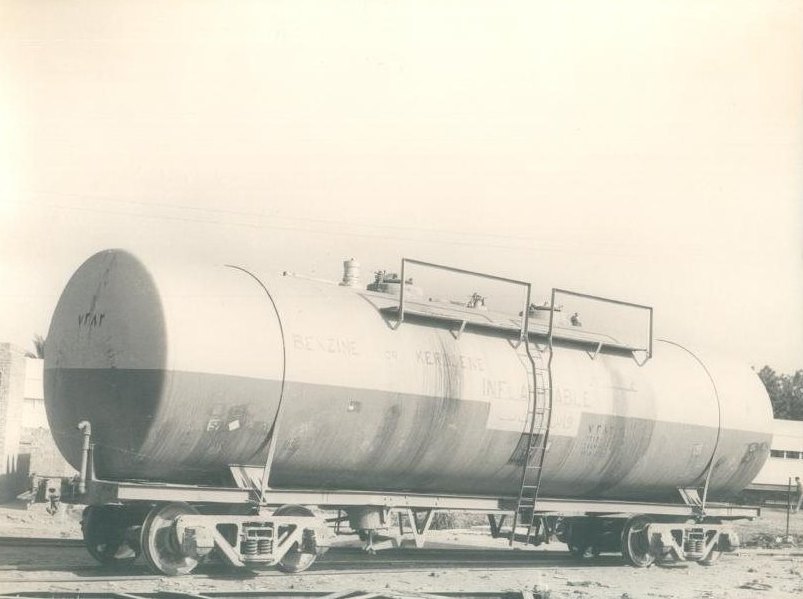
The 1897 military railway, extended through Atbara to the capital by 1900.
Reaching the Red Sea
The connection to the Red Sea followed soon afterwards. Between 1904 and 1906, a railway was constructed from Atbara across the desert to Port Sudan. This gave Khartoum and the Nile Valley a direct rail connection to a modern maritime port, allowing passengers, agricultural products, minerals and imported goods to move more efficiently between the coast and the interior. Sudan Railways was formally established during this period, and the corridor from Port Sudan through Atbara to Khartoum became the backbone of the national network.
How the network took shape
The network takes shape
Lines link northern Sudan, the Nile corridor and the Red Sea coast, establishing rail as an important way to move people and goods.
A direct route to maritime trade
The connection to Port Sudan gives inland producers and communities a railway link to the sea.
A centre of railway life
Workshops, railway administration and a skilled workforce make Atbara a centre of engineering and railway activity.
Expansion and everyday service
The network expands and continues to serve agriculture, trade and passenger travel across regions and communities.
Strain on the railway
Limited investment and the effects of conflict place the infrastructure, equipment and services under severe pressure.
Renewal
Rehabilitation of the Port Sudan to Khartoum corridor builds on the railway's infrastructure, workforce and accumulated knowledge.
Beyond the Nile corridor
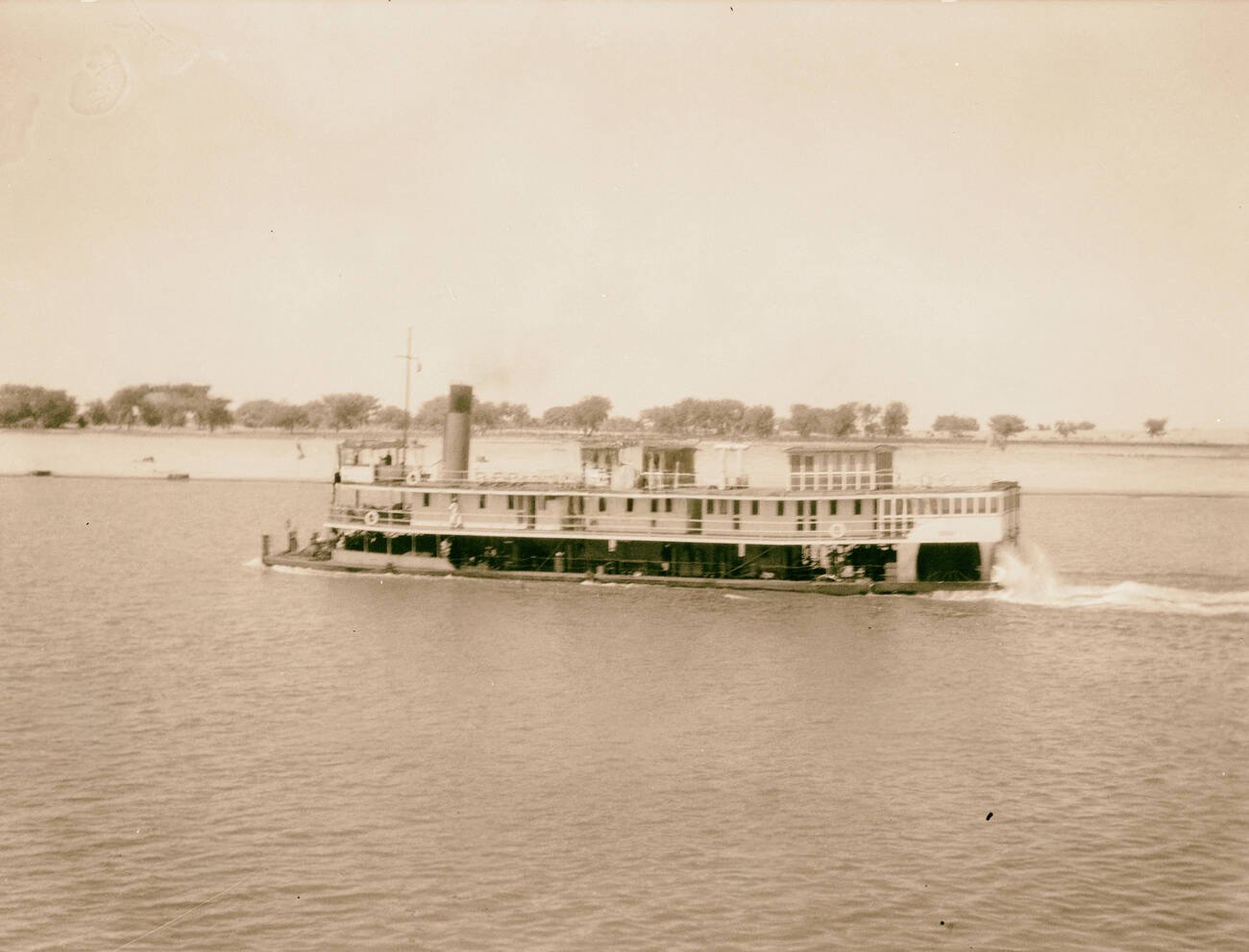
During the early twentieth century, the railway expanded beyond the main Nile corridor. Lines reached westward through Kosti towards El Obeid, while branches connected the main network with agricultural areas around Kassala, Gedaref and Sennar. These routes supported the movement of cotton, grain, livestock and other commodities, while also linking regional towns to national and international markets.
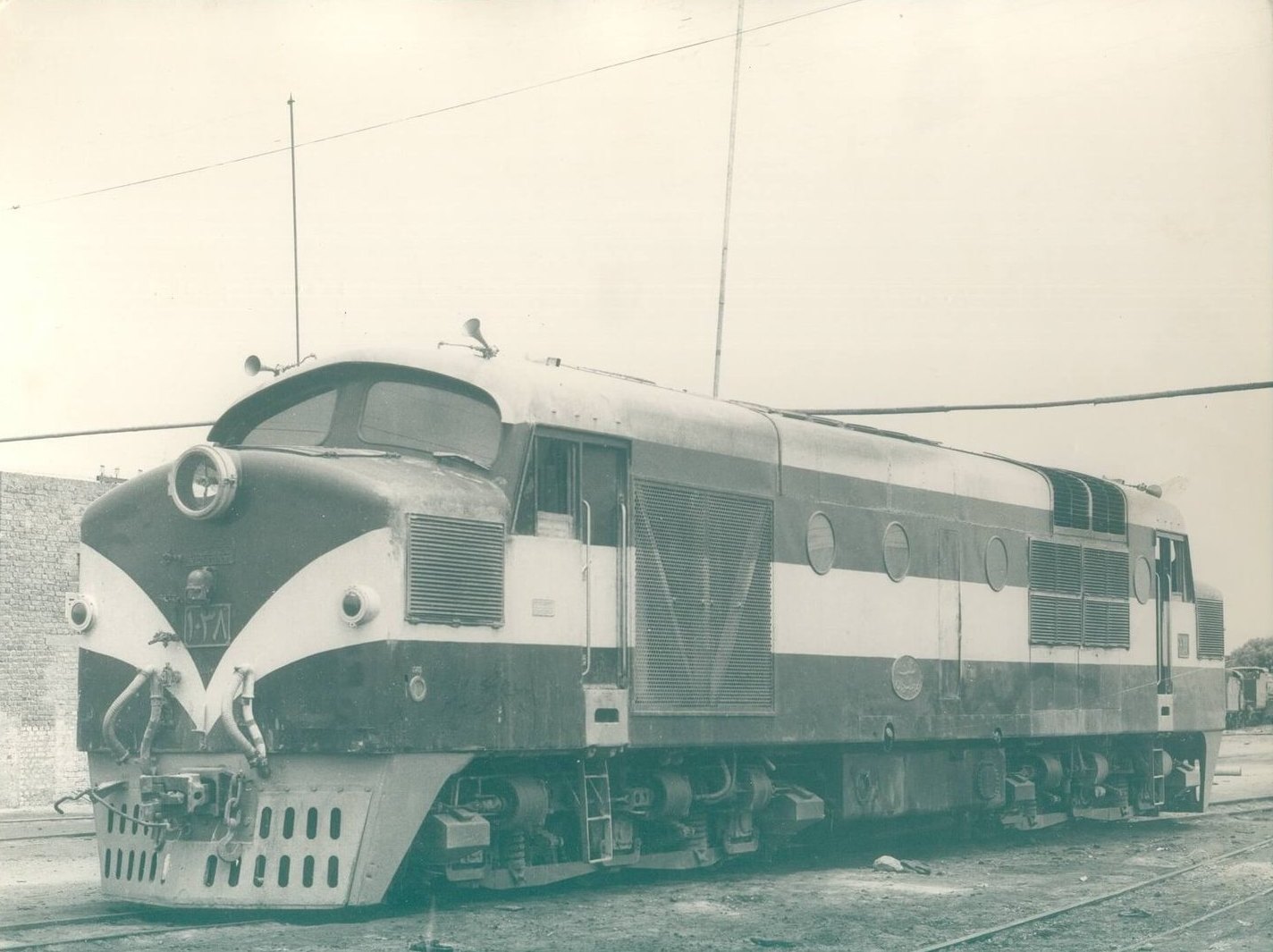
Following independence in 1956, further expansion extended the western line to Nyala in Darfur in 1959 and a south-westerly branch to Wau in 1961. At its greatest extent, Sudan’s railway network reached approximately 4,700 kilometres, connecting the Red Sea coast, the Nile Valley, central Sudan and the country’s western and southern regions.
The railway at its height
By the early 1970s, Sudan Railways was operating at the height of its national importance. It moved more than three million tonnes of freight annually and carried approximately three-quarters of the country’s import and export traffic. The railway had a practical monopoly on long-distance transport, moving export crops and livestock towards Port Sudan while bringing fuel, machinery, food and other imported goods inland. Passenger services also operated across the major routes, making the railway an essential link between Sudan’s towns and regions.
At its peak, in the early 1970s
| Measure | Value | Basis |
|---|---|---|
| The network at its greatest extent | 4,700 km | At the height of the network |
| Tonnes of freight carried each year | 3 million+ | At the height of the network |
| Of the country's import and export traffic | ~75% | At the height of the network |
| The furthest point reached, at Wau | 1961 | At the height of the network |
More than a transport system
The railway therefore became more than a transport system. It helped shape the growth of towns, supported national commerce and provided one of the few efficient ways to move people and bulk goods across Sudan. From the 1970s onwards, however, its position weakened as road construction was prioritised, investment and spare-parts supplies declined, and conflict disrupted parts of the network. The Port Sudan to Khartoum corridor remains central to that original national purpose and to the Sudan Rail Group’s work today.
The historical figures are best presented as approximate: more than three million tonnes annually and roughly 75% of import and export traffic at the railway’s peak in the early 1970s.
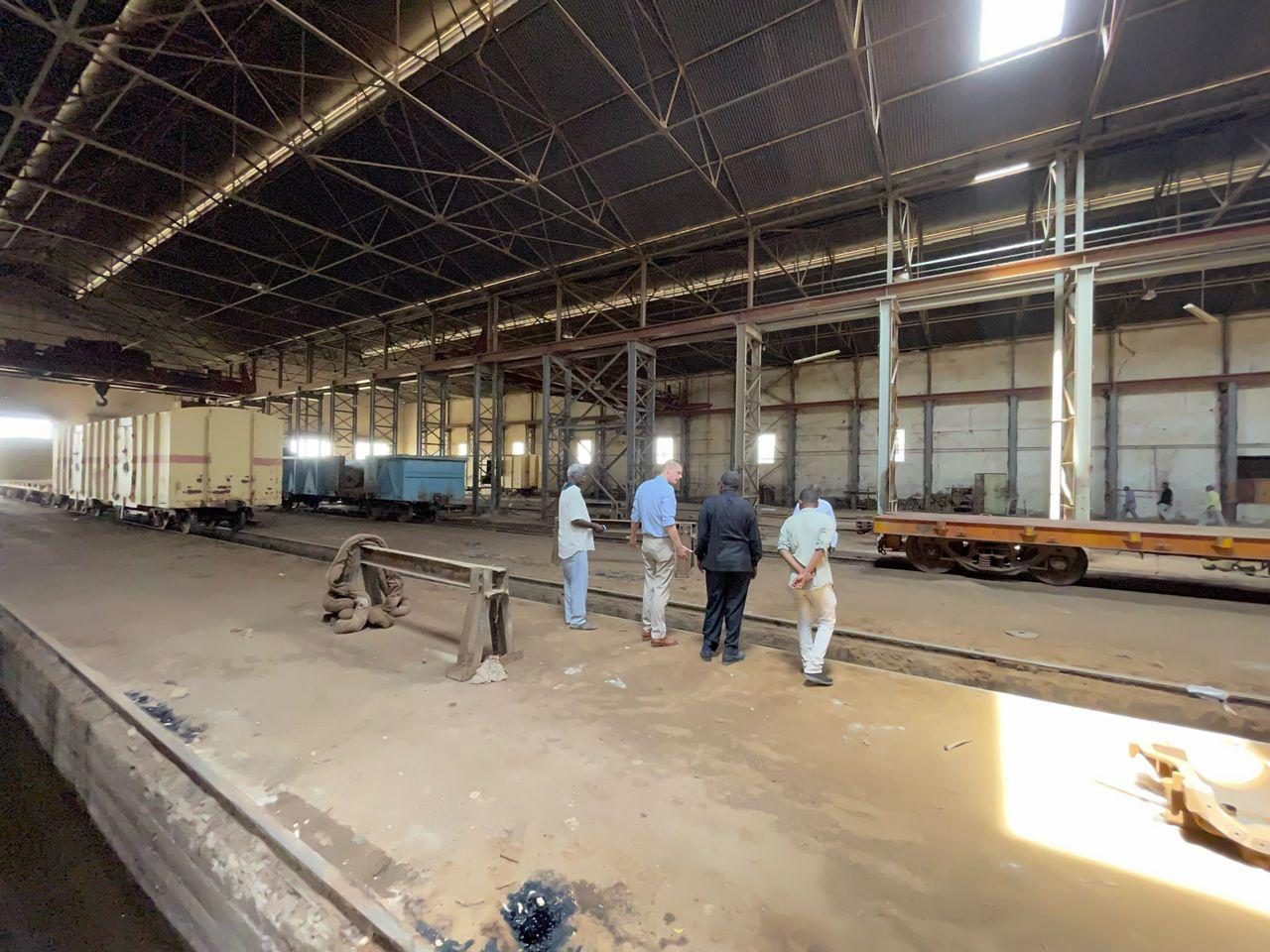
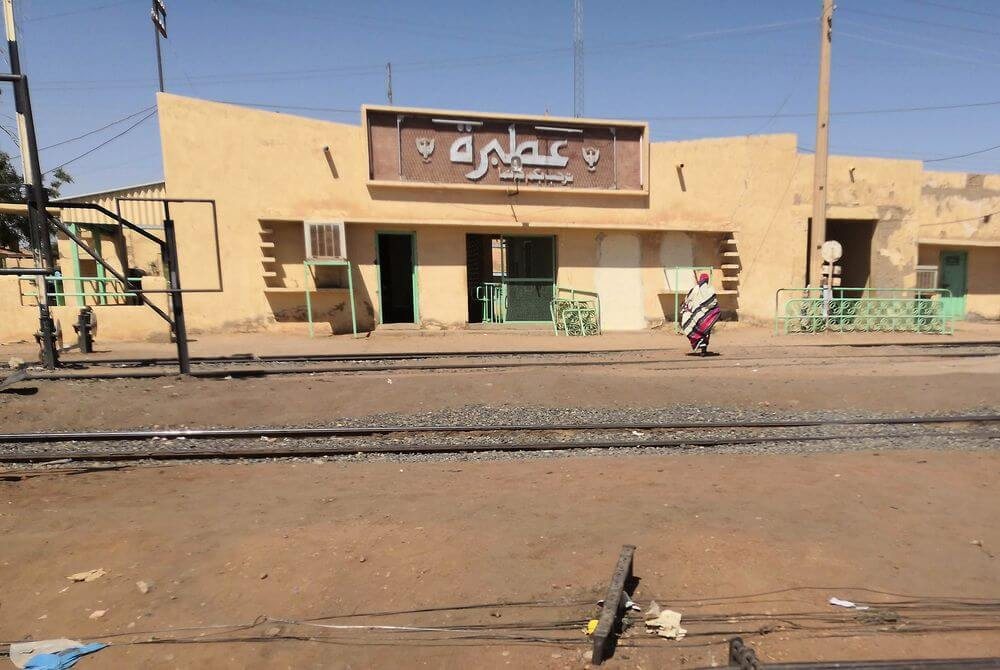
Atbara holds a special place in Sudan's railway story.
Atbara: a centre of railway life
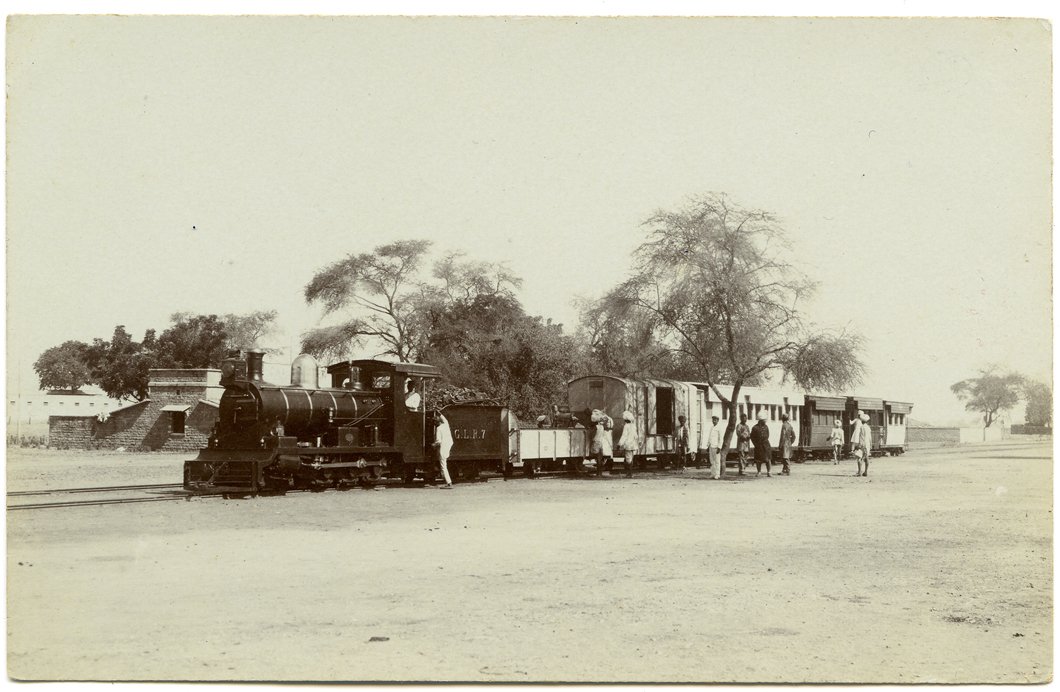
Atbara holds a special place in Sudan's railway story. Its workshops, railway administration and skilled workforce made it a centre of engineering and railway activity.
Drivers, technicians, engineers, station staff and many others developed the knowledge needed to keep the railway working. Their contribution extended beyond transport, helping to establish a tradition of industrial skills and public service.
A national railway tradition
The railway linked regions and communities, and became part of the everyday lives of people who depended on its trains and worked in its facilities.
Its history is also the history of its employees: the people who maintained locomotives, repaired track, managed stations and carried passengers and goods across Sudan.
The railway in the public eye
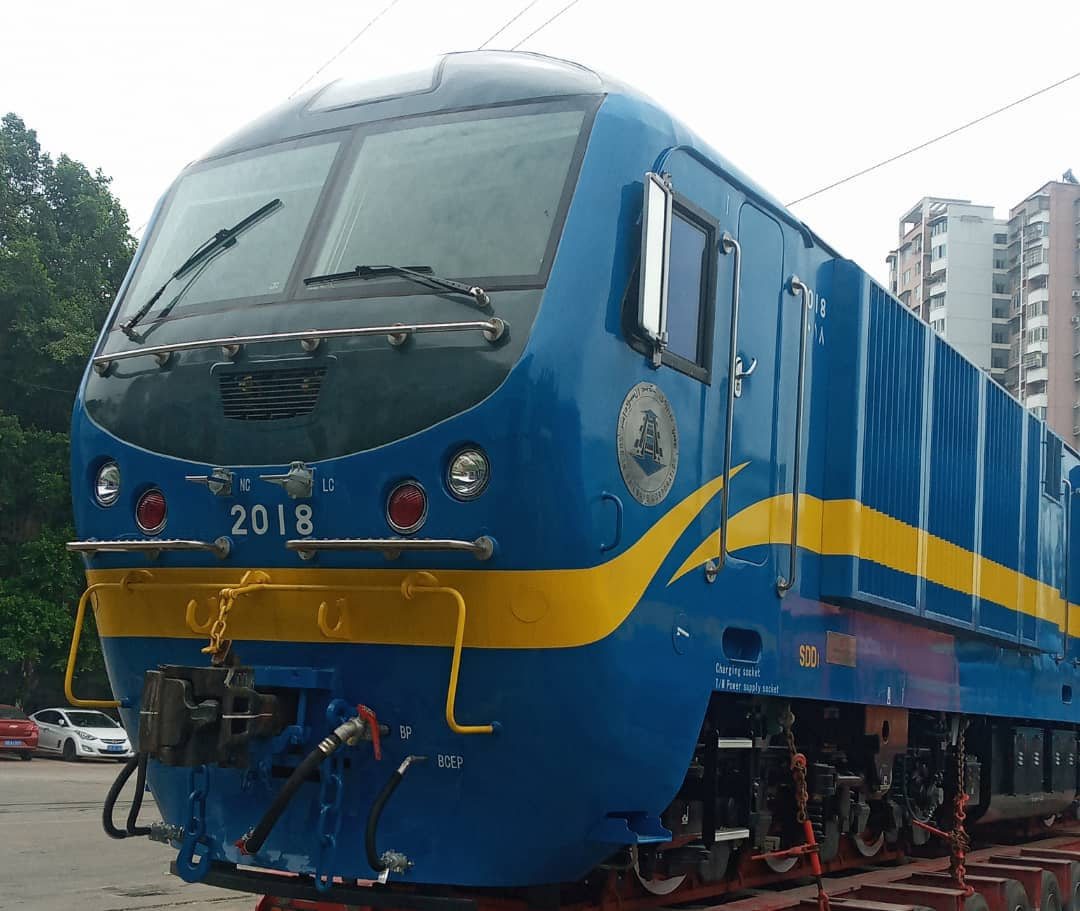
Two photographs from outside the project's own archive, reproduced here because they show what the railway means in Sudan.
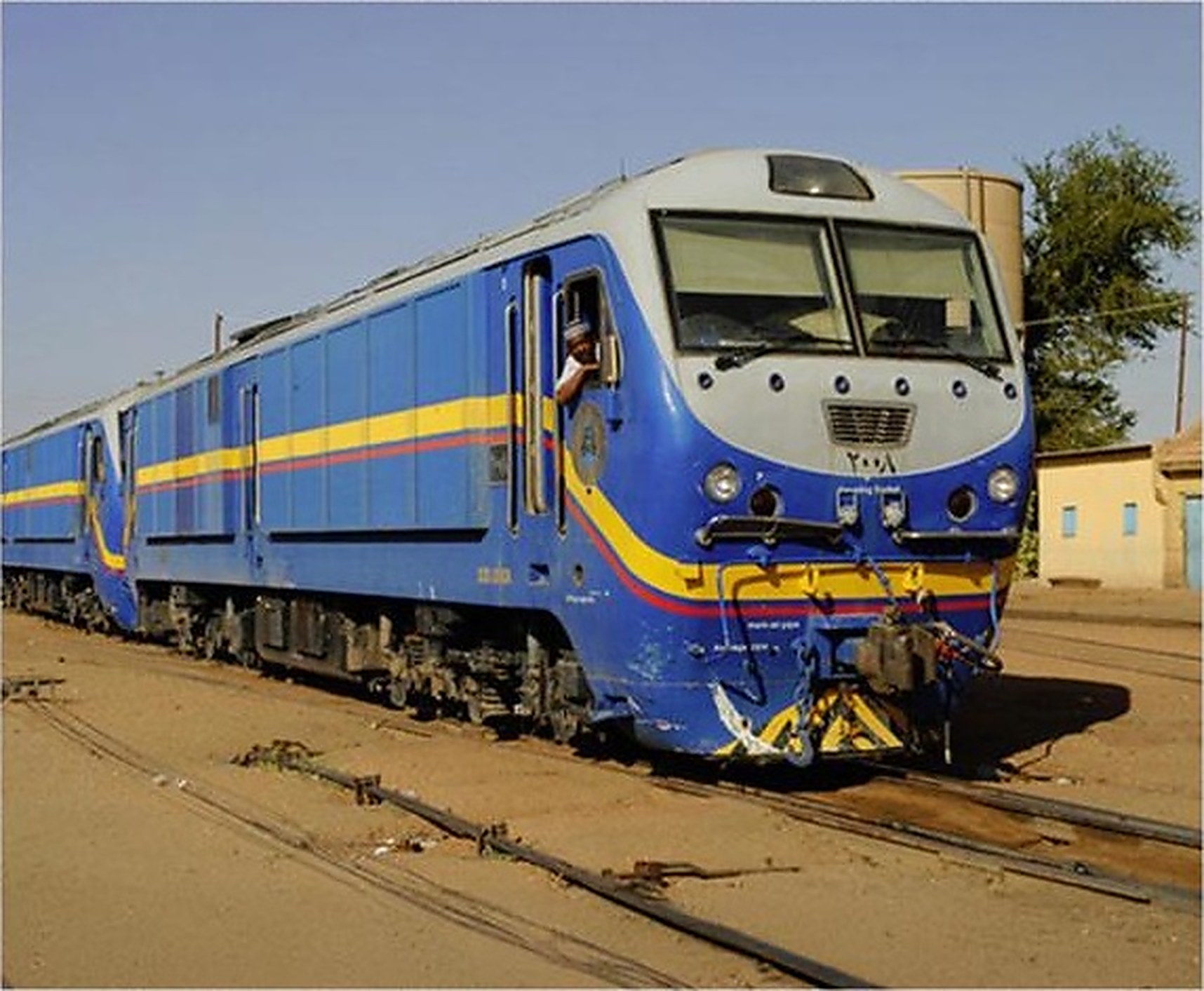
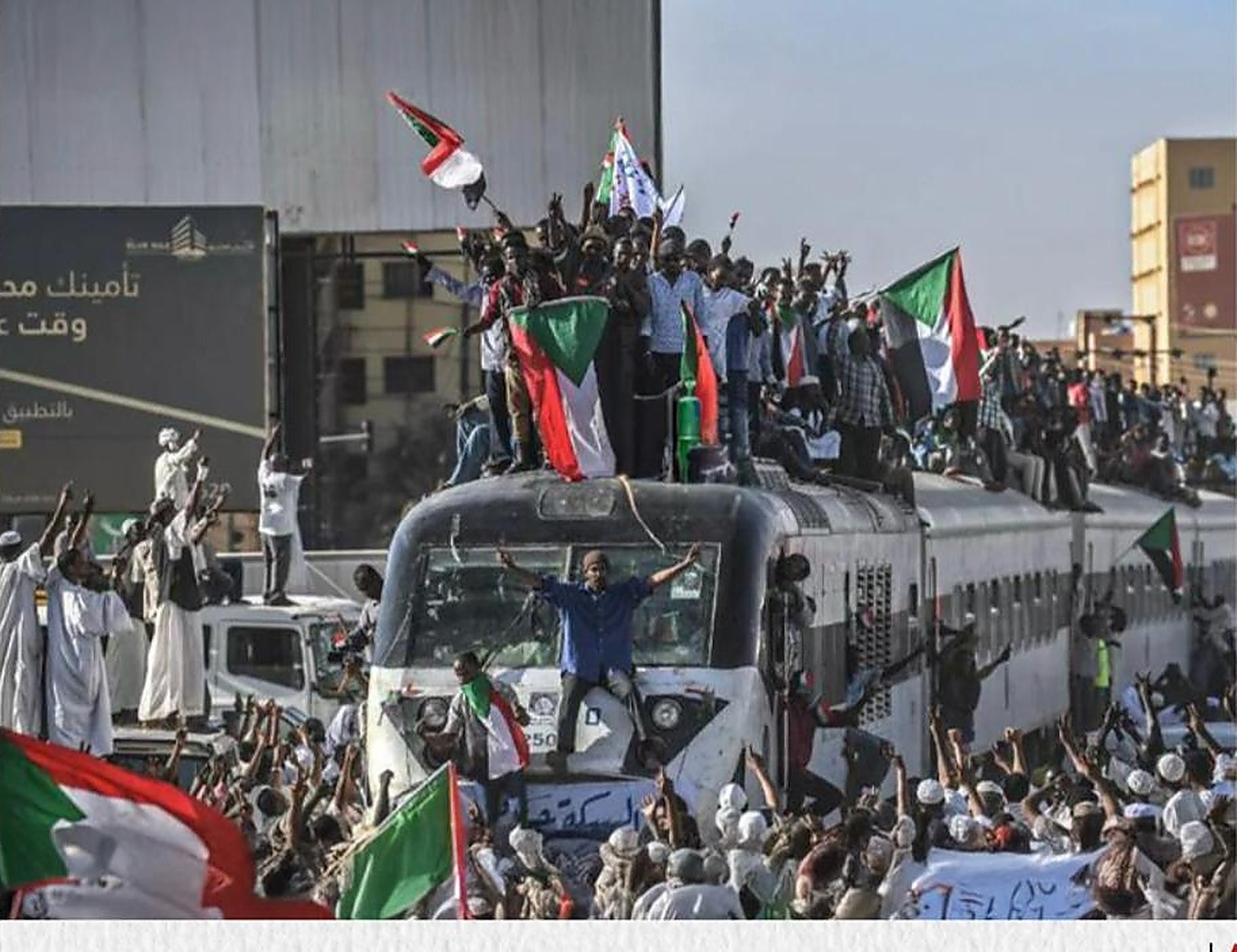
Sudan Rail Group does not own these two photographs and claims no rights in them. They are reproduced for illustration with credit to their sources; copyright remains with the original photographers. If you hold rights in either image and would prefer it removed, write to info@SudanRail.com and we will take it down.
Carrying that experience forward
Limited investment and the effects of conflict have placed great pressure on the railway. Yet its infrastructure, workforce and accumulated knowledge provide a foundation for renewal.
Sudan Rail Group's work on the Port Sudan to Khartoum corridor builds on that foundation. Rehabilitation is an opportunity to restore railway services while supporting the skills and experience that made Sudan's railway possible.
Read about the rehabilitation programme, or meet the people delivering it.