The project
Renewing the Port Sudan to Khartoum railway
Sudan Rail Group is a Canadian-Sudanese company focused on the rehabilitation and operation of the Port Sudan to Khartoum railway. The corridor connects Sudan's principal Red Sea port with inland communities, businesses and markets.
In preparation, September 2026. Sudan Rail Group has not yet assumed operating responsibility.
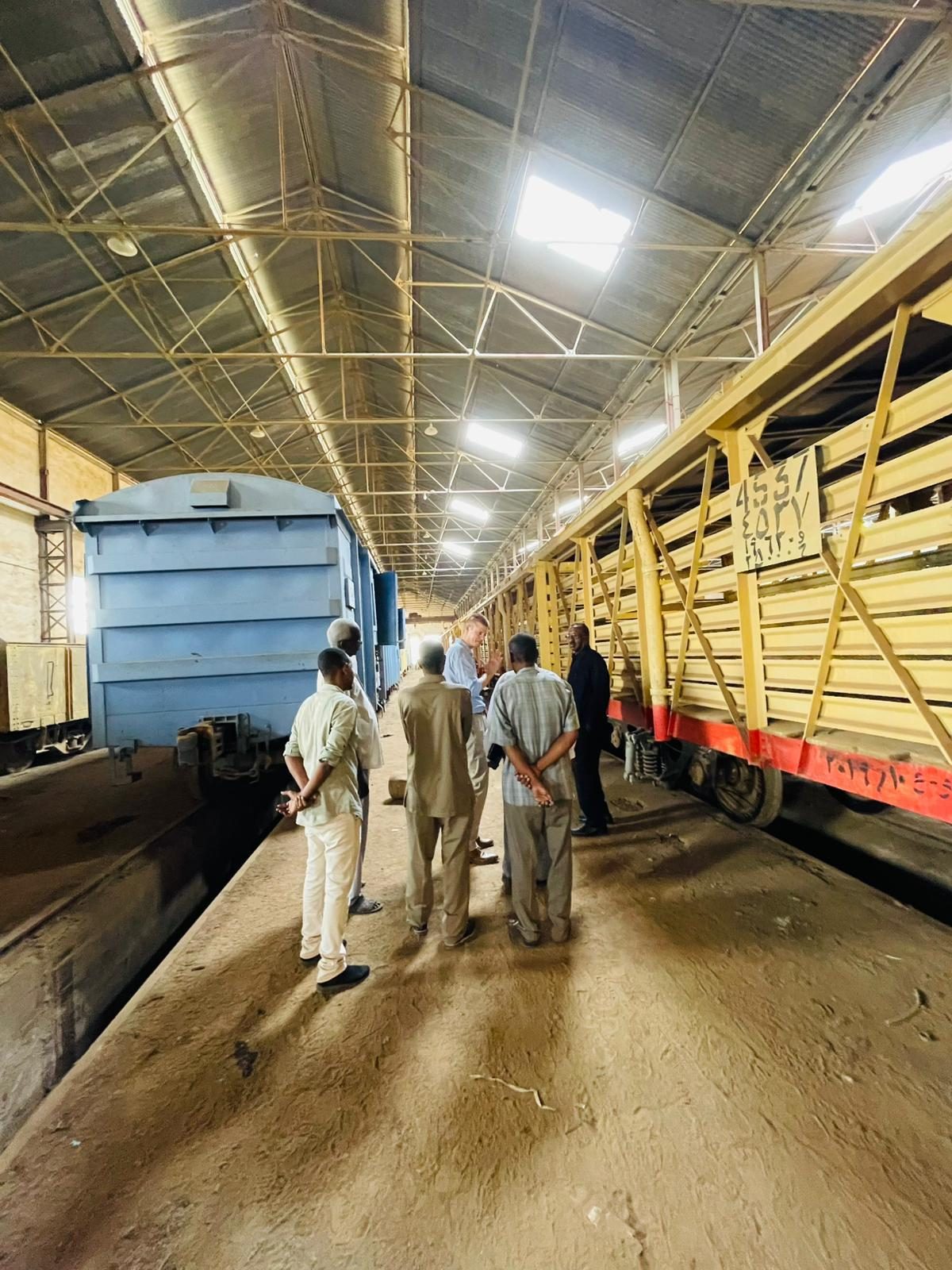
Our purpose is to build a dependable railway that supports trade, provides passenger connections and creates lasting economic opportunities in Sudan.
A long-term partnership with public ownership
The project is being delivered under a long-term government concession. This gives Sudan Rail Group the agreed responsibilities for operating, maintaining and rehabilitating the railway while existing public assets remain government-owned.
The arrangement brings investment and operating expertise to the railway while preserving Sudan's ownership of this important national infrastructure. We will work with Sudan Railways Corporation and the relevant public authorities throughout the transition and delivery programme.
How the concession works
A long-term operating arrangement, not a sale of the railway.
Government and Sudan Railways Corporation
Keep ownership of the existing public railway assets throughout.
0Public railway assets sold
Investment in rehabilitation
Long-term concession and lease
Sets out the operating, maintenance and rehabilitation responsibilities and the period they run for.
Sudan Rail Group
Invests in rehabilitation, then operates and maintains the railway under that agreement.
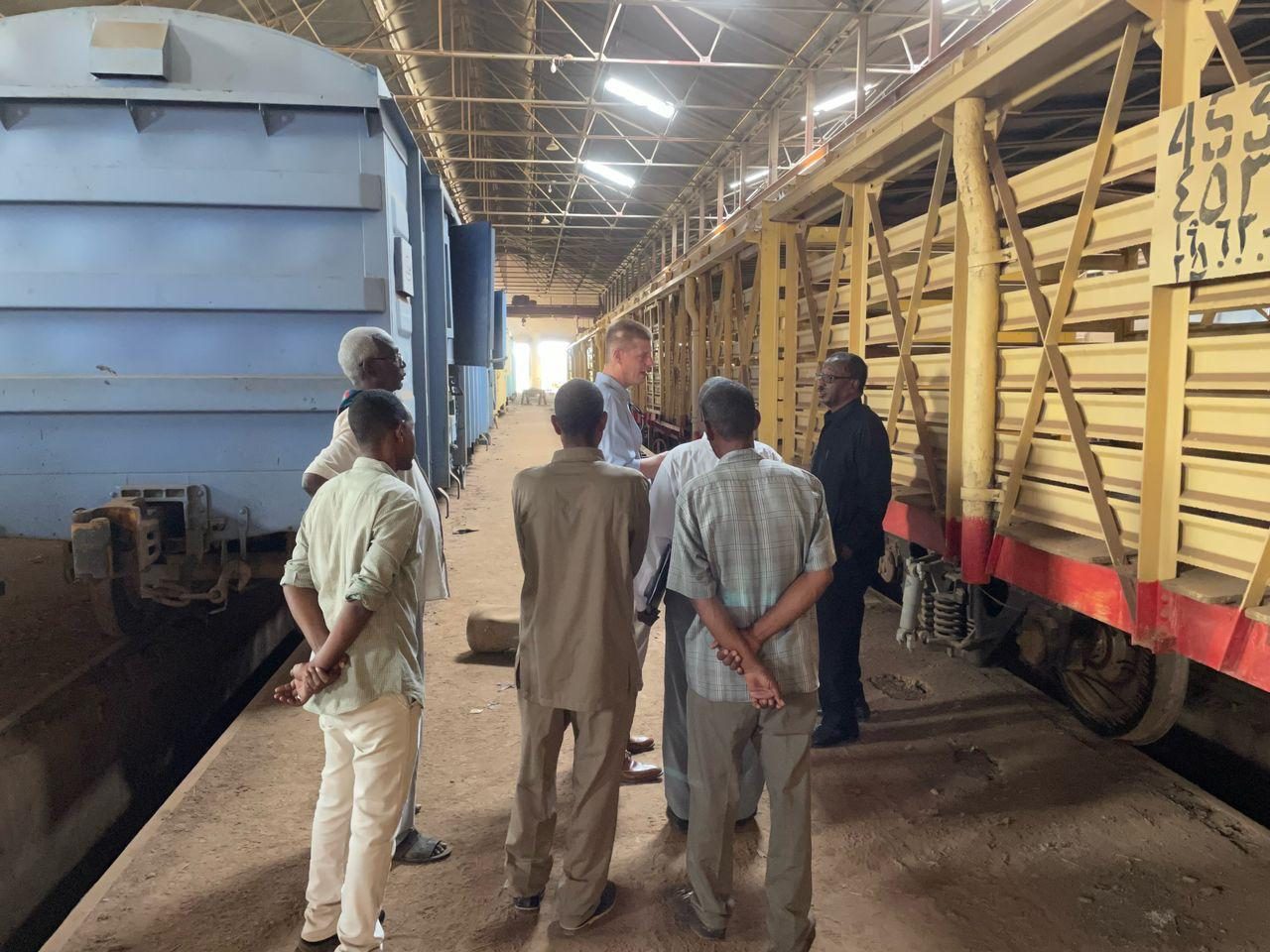
The rehabilitation programme covers the infrastructure, equipment and working systems needed for reliable services.
What we are preparing
The rehabilitation programme covers the infrastructure, equipment and working systems needed for reliable services. Priorities include track and structures, locomotives and wagons, workshops, staff training and customer service.
Our planned operating transition is later in 2027. Work will proceed in stages so that improvements in the railway support the introduction and growth of services.
Where the project is now
Work proceeds in stages so that improvements in the railway support the introduction and growth of services.
- Current stage
2026
Preparation
Engineering assessments, financing, rehabilitation planning, workforce preparation and service planning.
2027
Operating transition
Sudan Rail Group assumes operating responsibility for the corridor.
2027
Passenger services begin
One departure each week in each direction, after the transition and service preparations.
2028 onward
Growing the service
More frequency and capacity as demand grows and railway capacity allows.
Dates describe the current plan. Confirmed dates will be announced on this website.
What rehabilitation covers
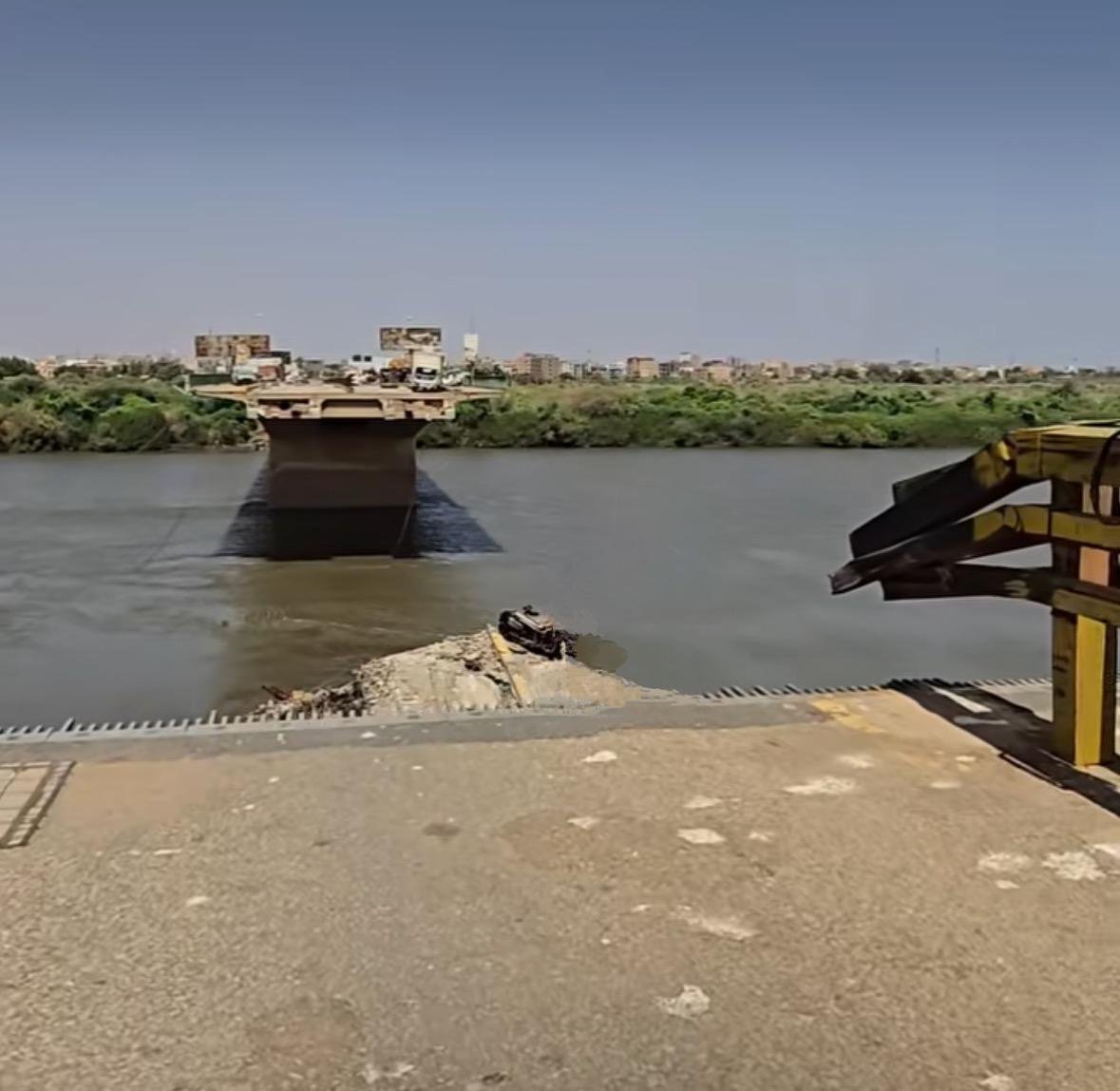
The permanent way, bridges and the structures along the corridor.
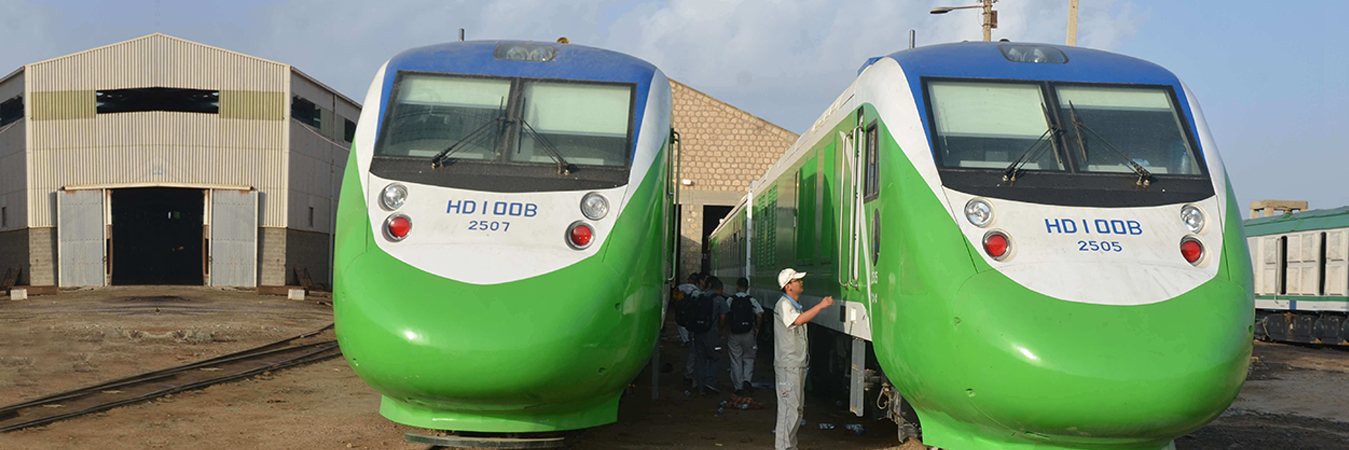
The motive power and rolling stock needed for freight and passenger services.
Maintenance facilities, equipment and the works that keep the fleet running.
The working systems behind safe operations, scheduling and customer service.
Training and skills development, building on existing railway experience.
What the project delivers
More dependable rail freight will help move agricultural products, food, construction materials and other goods between the coast and inland markets. Our aim is to reduce transport costs, strengthen supply chains and make Sudanese businesses more competitive.
Passenger services will provide another way to travel between Port Sudan, Haya, Atbara, Shendi and Khartoum. Railway renewal will also support employment, skills and opportunities for local suppliers.
Sudan Rail Group is committed to retaining and building on the expertise of the existing railway workforce as part of the transition. Current employees will remain part of the workforce through the transition, with a strong focus on local employment, skills, and continuity.
The project will also create opportunities for local workers and suppliers, with further details to come as the programme develops.
The Port Sudan to Khartoum railway is our sole current railway project. Other lines may become part of the company's remit in the future. Our attention today is on delivering this corridor well.
What the corridor carried, and what it will carry
The historical peak and the initial target are both published. The path between them depends on the financing and rehabilitation stages still being developed.
The two pale bars are drawn to show the shape of the growth. Their heights are not a forecast; they depend on the financing and rehabilitation stages still in development.
The project in numbers
Set out as a sourced table so that every figure carries the basis it rests on.
| Measure | Value | Basis |
|---|---|---|
| Port Sudan to Khartoum freight corridor | 1,067 km | Existing alignment, five planned passenger stops |
| Historical annual freight peak | 3.5 million tonnes | Carried at the height of the network |
| Initial annual freight target | 1 million tonnes | At the start of operations |
| Planned operating transition | 2027 | Later in the year |
| Passenger departures at launch | 1 each week | In each direction, after service preparations |
| Public railway assets sold | 0 | Assets remain with the Government and SRC |
| Annual cargo value moved | Value of goods across the corridor per year | |
| Transport cost savings | Rail against equivalent road haulage, per annum | |
| Annualised foreign exchange savings | Foreign exchange retained against imported haulage | |
| Employment created | Direct and indirect, along the corridor |
Where the value column is blank, Sudan Rail Group has not yet supplied the figure. The basis on which each one will be given is stated so that it can be checked when it arrives.
Building on Sudan's railway heritage
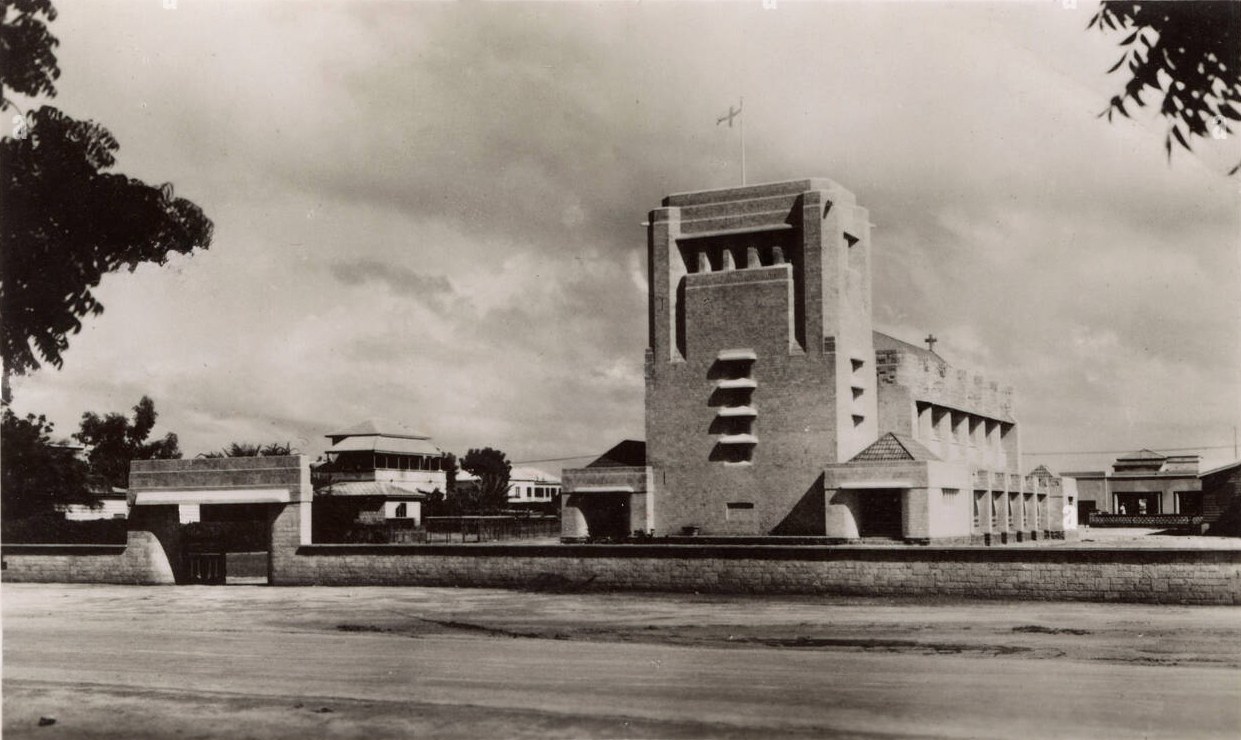
For more than a century, Sudan's railways have connected communities, carried agricultural produce and essential goods and supported the country's economic life. The network developed during the late nineteenth and twentieth centuries and expanded after independence, linking the Red Sea coast with inland towns and regions.
Atbara became a centre of railway administration, engineering and workshop activity. Generations of railway employees built a tradition of technical skill and public service that remains an important part of Sudan's industrial heritage.
Years of limited investment and the effects of conflict have placed the railway under severe strain. Renewal means repairing infrastructure and equipment while drawing on the knowledge of the people who have operated and maintained the system.
The public fact sheet sets out the project's key information on a single page.